
Outdoor living has become one of the most valuable investments homeowners make, and the right patio screen can mean the difference between a space you use three months a year and one you enjoy almost every day. At Longhorn Solar Screens, we have spent years helping homeowners transform their patios, pergolas, and porches into comfortable, protected extensions of their homes. With motorized retractable screens growing in popularity, the question we hear most often is not whether to get one, it is which type makes the most sense for a specific space and lifestyle.
That question deserves a real answer, not a one-size-fits-all recommendation. The truth is that motorized retractable screens come in several distinct styles, each designed with a different purpose in mind. Understanding those differences before you buy will save you frustration and money, and it will make sure the finished product actually solves the problems you were trying to fix in the first place.
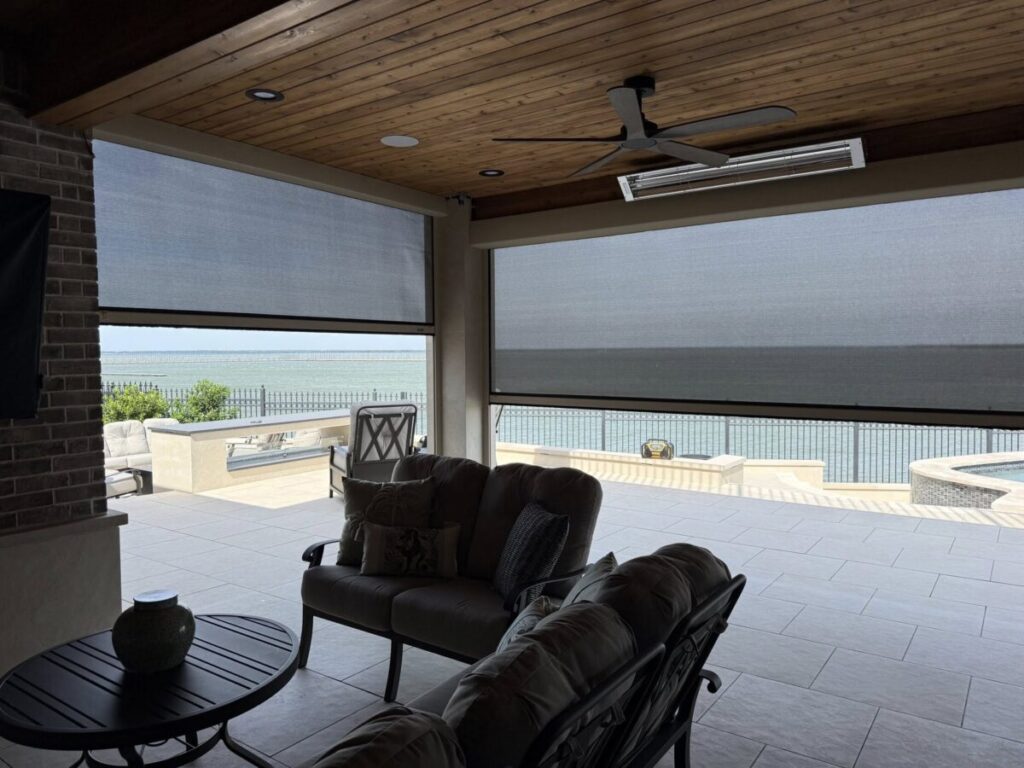
What Makes Motorized Retractable Screens Worth the Investment
Before diving into types, it helps to understand why motorized screens have pulled so far ahead of their manual counterparts in recent years. A 2023 report from the American Institute of Architects noted that outdoor living spaces ranked among the top requested features in home renovation projects, with shade and insect protection listed as the two primary functional priorities. Motorized systems address both beautifully, and because they retract fully when not in use, they preserve sightlines and curb appeal in a way that permanent structures simply cannot.
The motor component is not just a convenience feature either. Consistent, smooth operation protects the screen fabric over time by eliminating the uneven tension that comes from manual cranking or pulling. Most quality systems today are compatible with smart home platforms, so you can lower your screens before stepping outside without ever leaving the kitchen.
Side-Tracked Retractable Screens
Side-tracked screens are guided by vertical channels on either side of the opening, which keeps the fabric taut and stable even in moderate wind conditions. This makes them an excellent choice for larger patio openings or any space that faces a prevailing breeze. The tracks also create a reasonably effective seal along the edges, which matters a great deal if insect control is your primary goal.
These screens work especially well across wide pergola openings and covered outdoor kitchens. The guided system allows for very large spans without sagging, and the motorized operation means the weight of a large screen is never something you have to wrestle with manually.
Freefall or Spring-Loaded Retractable Screens
Freefall screens operate without side tracks, relying on the screen’s own tension and a bottom bar to hang flat. They have a cleaner, more minimal appearance because there are no visible channels running down the sides of your opening. For homeowners who prioritize aesthetics and use their screens primarily for solar shading rather than insect protection, this style offers an elegant solution.
The tradeoff is wind performance. Without side guidance, freefall screens are better suited to protected spaces, think a covered patio tucked behind a fence line or a screened porch that already has partial enclosure. In those settings, they perform beautifully and blend almost invisibly into the architecture when retracted.
Cassette-Style Retractable Screens
Cassette systems house the rolled screen fabric inside a protective box, or cassette, mounted at the top of the opening. When retracted, the screen disappears entirely into that housing, which keeps the fabric clean, protected from UV degradation, and visually unobtrusive. This style tends to have the longest lifespan because the fabric is shielded from the elements when not in use.
Cassette screens are particularly well suited to spaces where the screen will be installed long-term and aesthetics matter as much as function. Custom color matching on the cassette housing allows these systems to integrate seamlessly with existing architecture, and the protected roll mechanism adds measurable longevity compared to open-roll alternatives.
Solar Screen Fabric vs. Full Privacy Screen Options
Regardless of which track or housing system you choose, the fabric itself is a major decision. Solar screen fabrics are engineered to block heat and glare while preserving outward visibility, making them ideal for patios where you want to reduce cooling costs and cut afternoon glare without feeling closed in. Full privacy fabrics block more light and visibility in both directions, better suited to spaces where you want genuine seclusion from neighbors or street traffic.
At Longhorn Solar Screens, we typically walk customers through a side-by-side fabric comparison before recommending anything, because the right fabric often matters more than the screen style itself.
Choosing the Right System for Your Space
The best motorized retractable screen for your patio comes down to three things: the size of your opening, the wind exposure of your space, and what you most want the screen to do. Large, open spans with wind exposure lean toward side-tracked systems. Sheltered spaces where looks come first lean toward freefall or cassette styles. Insect control demands better edge sealing, while pure solar shading opens up more fabric and system options.
If you are ready to stop guessing and start planning, reach out to Longhorn Solar Screens today for a free consultation and let us help you find the perfect motorized screen for your outdoor space.