
How Do You Maintain a Screened-In Patio in Denton, TX for Long-Term Durability?
To maintain a screened-in patio in Denton, TX, clean the screens gently at least once a year, remove leaves and debris regularly, inspect the mesh, frames, fasteners, and doors for damage, and address small problems promptly. Denton’s summer heat, seasonal storms, wind, and rainfall make routine inspections especially important for maximizing the lifespan of a patio enclosure.
At Longhorn Solar Screens, we understand that a screened-in patio is more than an outdoor upgrade. It is an extension of your living space and an investment you want to enjoy for years. Our team helps Denton homeowners create comfortable outdoor areas designed for North Texas conditions, with professional installation and quality screening materials that are easier to maintain over the long term. Once your screened patio is installed, a simple maintenance routine can help preserve its appearance, airflow, insect protection, and structural integrity. The good news is that screened patio maintenance does not have to be complicated. A few periodic cleaning and inspection habits can go a long way toward protecting your investment.
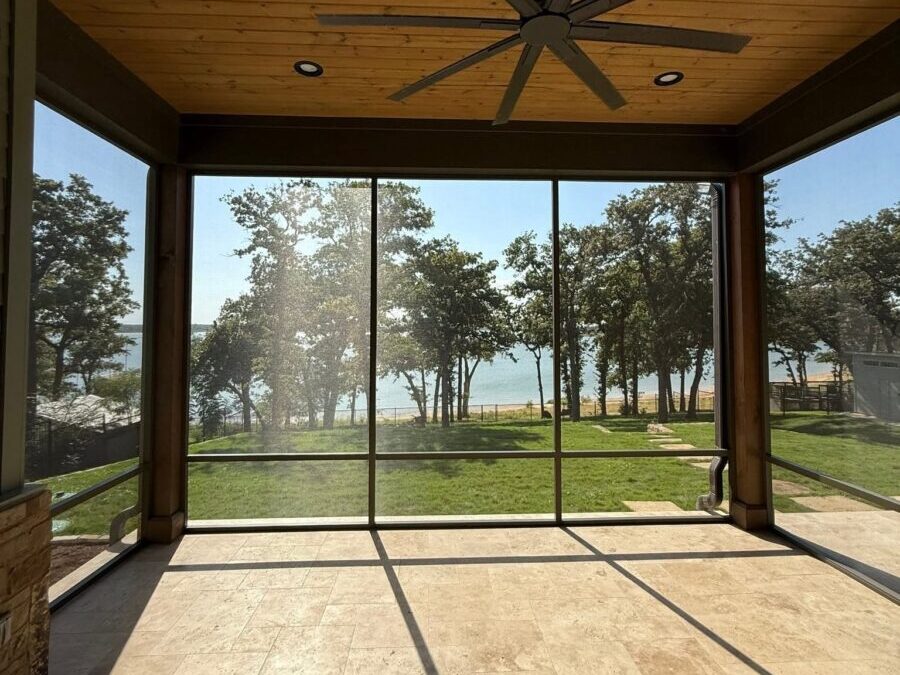
Screened Patio Maintenance Tips for North Texas Homes
Denton’s climate makes preventive maintenance especially valuable. According to the National Weather Service’s Denton climatology data, the area’s 1991-2020 normals include average July and August highs near 96°F and approximately 38.44 inches of precipitation annually. Those conditions expose outdoor screens and enclosure components to intense sun, rain, windblown dirt, and seasonal debris.
How Often Should You Clean Screened-In Patio Screens?
For most homes, a thorough screen cleaning about once a year is a good baseline, with additional light cleaning whenever dirt, pollen, or debris accumulates. Patios exposed to heavy wind, rain, landscaping debris, or frequent outdoor activity may need attention more often.
Screen manufacturer Phifer recommends cleaning screens annually and notes that more frequent cleaning can be helpful when screens experience significant wind, rain, dust, or other weather exposure.
For routine cleaning:
- Remove loose leaves, cobwebs, pollen, and dust with a soft brush or gentle vacuum attachment.
- Lightly rinse the screens with a garden hose.
- Clean stubborn dirt with lukewarm water, mild dish soap, and a soft sponge or brush.
- Rinse away soap residue thoroughly.
- Allow the screening and surrounding surfaces to dry.
Avoid aggressive scrubbing and high-pressure washing directly against the screen mesh. Phifer specifically recommends light water pressure and a soft-bristled brush because harsher methods can damage screening.
Always follow the care instructions for your particular screen material. For example, Phifer recommends mild soapy solutions without hard scrubbing for its vinyl screening products.
What Should You Inspect to Prevent Screen Damage?
Check the mesh, attachment points, frames, doors, and hardware periodically so minor wear can be corrected before it becomes a larger repair. A small loose section or minor tear is usually easier to address than a screen panel that has been allowed to deteriorate.
Look for:
- Small holes, punctures, or frayed areas in the mesh
- Screening that appears loose, stretched, or separated from the frame
- Bent, loose, or damaged frame components
- Loose screws, fasteners, or hardware
- Screen doors that drag, stick, or fail to close properly
- Gaps where insects could enter
- Dirt or debris accumulating around tracks and thresholds
Pay particular attention after severe North Texas weather. Strong winds can send branches and other debris into patio enclosures, while heavy rain can expose drainage or moisture problems.
If you spot significant screen or frame damage, professional evaluation can help determine whether a repair or replacement is the better long-term option.
How Can Denton Homeowners Protect a Screened Patio From Weather?
The best weather protection is keeping debris away from the enclosure, maintaining proper drainage, and inspecting the patio after significant storms. Preventing repeated physical stress and prolonged moisture exposure can help preserve both the screening and its supporting components.
Trim nearby landscaping when branches repeatedly rub against your enclosure. Remove leaves from the roofline, patio edges, and drainage areas instead of allowing wet organic material to remain against the structure.
After a major storm, walk around the enclosure and check for visible damage. Look for debris resting against screens, loosened mesh, displaced hardware, and areas where water is pooling.
Denton homeowners should also pay attention during prolonged periods of summer heat. The National Weather Service reports normal maximum temperatures of 95.9°F in July and 95.8°F in August, making intense heat a normal part of the local climate rather than an occasional event. Choosing quality exterior screening and maintaining it properly can help your enclosure handle these demanding conditions.
What Cleaning Products Are Safe for Patio Screens?
Mild soap and water are generally the safest starting point for routine screen cleaning, but homeowners should always follow the manufacturer’s instructions for their specific screening material.
Phifer states that many exterior sun-control screens require only occasional cleaning with mild soap and water. Its SunTex exterior screening, for example, is designed to resist mildew and fading while requiring relatively simple maintenance.
Avoid automatically reaching for abrasive cleaners, stiff brushes, solvents, or strong chemicals. Products that work well on concrete or other outdoor surfaces may not be appropriate for screen mesh or coatings.
When cleaning the rest of your patio, also try to keep paint, stain, sealants, grease, and harsh cleaning products from splashing onto the screens.
Why Does Prompt Screen Repair Matter?
Fixing damage early helps maintain insect protection and prevents a small problem from becoming more noticeable or extensive. Even a small opening can undermine one of the main reasons homeowners choose a screened patio in the first place.
Do not ignore loose mesh, damaged door screens, or gaps around the enclosure simply because they seem minor. High-traffic areas deserve extra attention, especially around doors or patios used by children and pets.
For homes where durability is a major concern, screening material also matters. Some manufacturers offer heavier-duty products specifically engineered for areas exposed to pets or frequent activity. Phifer, for example, identifies its PetScreen and TuffScreen products as options designed to withstand greater wear than standard screening.
A Simple Screened Patio Maintenance Schedule
A practical Denton screened patio maintenance routine can be easy to remember:
- Every few weeks: Sweep the patio and remove leaves, cobwebs, and visible debris.
- Seasonally: Inspect screens, doors, frames, and hardware for wear or gaps.
- After major storms: Check immediately for impact damage, loose screens, and accumulated debris.
- About once a year: Give the screens a thorough but gentle cleaning.
- As needed: Repair small problems before they spread or affect other parts of the enclosure.
Consistency matters more than complicated maintenance. A few minutes of inspection throughout the year can help you catch problems when they are still manageable.
Frequently Asked Questions About Screened-In Patio Maintenance
Can you pressure wash a screened-in patio?
High-pressure water should not be directed at screen mesh because excessive force can damage or loosen it. Phifer recommends using a garden hose with light spray pressure when cleaning screens.
How do you remove pollen from patio screens?
Start with a soft brush or gentle vacuum to remove loose pollen, then use mild soap, lukewarm water, and a soft sponge or brush if deeper cleaning is needed. Rinse thoroughly afterward.
How often should screened patio enclosures be inspected?
A seasonal inspection is a practical routine, along with an additional check after strong storms or other severe weather. Look for tears, loose screening, damaged frames, hardware problems, and gaps around doors.
Does regular cleaning make screens last longer?
Regular cleaning can help prevent accumulated dirt and debris from interfering with the screen’s appearance and performance. Phifer specifically notes that keeping screens clean can improve visibility and airflow while helping extend their useful life.
Protect Your Screened-In Patio for Years to Come
A screened patio should make outdoor living easier, not create another demanding maintenance project. Gentle cleaning, seasonal inspections, prompt repairs, and a little extra attention after Denton storms can help keep your enclosure attractive and functional for years.
Ready for a screened-in patio built for comfortable North Texas living? Contact Longhorn Solar Screens today to get started.