
If you are a homeowner in North Texas, you already know what summer feels like. Temperatures regularly climb into the mid-to-upper 90s, and North Texas averages a remarkable 228 sunny days per year, well above the national average of 205. With that much heat and solar exposure, your air conditioner works overtime from May through September, and your energy bills show every bit of it. At Longhorn Solar Screens, we have spent years helping homeowners find practical, affordable ways to take back control of their indoor comfort and their monthly expenses. Our specialty is high-quality solar and insect screens designed specifically for the North Texas climate, and we bring a hands-on, customer-first approach to every project we complete. If you have ever wondered whether insect screens can genuinely make a dent in your energy bill, the answer is yes, and this guide will show you exactly how.
Why North Texas Heat Makes Energy Efficiency a Real Priority
North Texas sits in the heart of the North Central Texas weather zone, a region that accounts for 30% of the ERCOT electrical load during summer months. That is a significant figure, and it reflects just how hard local homes have to work to stay cool. The average cost of home cooling across the country reached an estimated $719 for the summer season in 2024, up significantly from just $476 a decade earlier. For families across North Texas, from thriving downtown districts to growing suburban neighborhoods, those rising costs are felt directly every time the electric bill arrives.
The core problem is solar heat gain. When sunlight passes through unprotected windows and doors, it transfers heat directly into your living space, raising interior temperatures and forcing your HVAC system to run longer cycles. Without any barrier in place, your cooling system essentially fights an uphill battle against the sun all day long. Insect screens, particularly those designed with energy efficiency in mind, interrupt that process before it starts.
How Insect Screens Block Heat Before It Enters Your Home
Standard insect screens are primarily designed to keep bugs out while letting fresh air flow through. That is already a valuable benefit in a region like North Texas, where warm nights from late spring through early fall make open windows an appealing option. But the right type of insect screen goes much further.
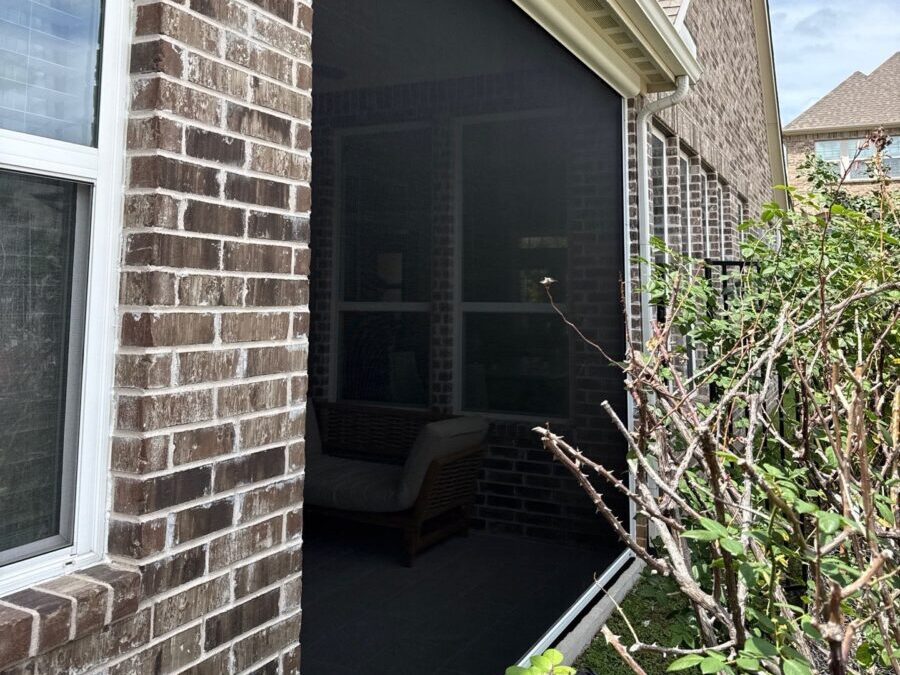
Energy-efficient insect screens, including solar-grade mesh screens, are constructed from denser materials that reflect and absorb a portion of incoming solar radiation before it reaches your glass. Unlike a bare window that offers no resistance to UV rays and infrared heat, a quality screen creates a first line of defense. Some solar screen mesh options are capable of blocking up to 90% of UV rays and reducing solar heat gain substantially, which in turn can reduce air conditioning usage by as much as 25 to 30%.
For a North Texas home that sees more than 3,100 sunshine hours per year, that kind of reduction compounds quickly. Every hour your AC runs less is money saved, and over a full Texas summer, those savings add up to a meaningful amount on your annual energy budget.
The Dual Benefit: Fresh Air Without the Energy Penalty
One of the most overlooked advantages of insect screens for energy efficiency is what they enable you to do during shoulder seasons. North Texas enjoys genuinely pleasant spring and fall weather, with comfortable evenings that are perfect for opening windows and letting natural breezes cool your home. Without screens, most homeowners keep windows closed to avoid insects, which means they rely on mechanical cooling even when outside conditions are ideal.
With properly fitted insect screens in place, you can open windows on a 72-degree April evening or a breezy October night and let nature do the cooling work for free. Reducing your dependence on your HVAC system even by a few hours each day during those transitional months can make a noticeable difference on your energy usage. This “passive cooling” strategy is one of the simplest and most cost-effective tools available to homeowners, and quality insect screens are the foundation that makes it possible.
What to Look for in an Energy-Efficient Insect Screen
Not all insect screens perform equally when it comes to energy savings. Here are the key factors that distinguish a high-performance screen from a basic one:
- Mesh density and weave. A tighter, denser weave blocks more solar radiation while still allowing airflow. Standard fiberglass mesh does a fine job keeping bugs out but offers minimal solar protection. Energy-efficient or solar-grade mesh materials are specifically engineered to reflect heat while maintaining visibility and ventilation.
- Material quality. Vinyl-coated fiberglass and specialized solar mesh fabrics hold up better under intense Texas sun than thin aluminum or basic polyester options. Durability matters because a screen that degrades quickly loses its performance characteristics and needs to be replaced sooner.
- Proper fit and installation. A screen that does not sit flush against the window frame, or that has gaps along the edges, allows heat to sneak in around the sides. Professional installation ensures a complete seal and maximizes the energy-saving benefit of every screen on your home.
- Color and opacity. Darker screen materials generally absorb more solar energy and provide better heat rejection. They can also reduce glare inside your home, which is a welcome bonus during long Texas afternoons.
At Longhorn Solar Screens, we help North Texas homeowners evaluate all of these factors and select screens that are genuinely suited to their home’s orientation, window sizes, and energy goals. There is no one-size-fits-all answer, and our team takes the time to walk through the options with you.
Long-Term Value for North Texas Homeowners
Energy-efficient insect screens are one of the more affordable home improvement investments available, especially when you consider the ongoing return. Unlike major HVAC upgrades or full window replacements, quality screens represent a modest upfront cost with immediate, season-after-season savings on your utility bills.
Beyond the financial benefit, there are other meaningful advantages. Blocking UV rays through your windows protects interior furnishings, flooring, and artwork from fading over time, an often-overlooked cost that adds up in sun-drenched homes. Screens also improve indoor comfort by evening out temperature differences between rooms that receive direct sunlight and those that do not. And for families with young children or pets who enjoy fresh air and outdoor sights, screens provide peace of mind alongside practical performance.
North Texas continues to grow rapidly, with a mix of established neighborhoods, expanding suburban communities, and new developments attracting homeowners looking for smart, low-maintenance upgrades that genuinely improve daily life. Energy-efficient insect screens check that box with no complicated maintenance requirements and no dramatic changes to your home’s appearance.
Ready to Start Saving on Your Energy Bills? Contact Longhorn Solar Screens Today
If you are ready to make your North Texas home more comfortable and more energy-efficient, Longhorn Solar Screens is here to help. Our team brings local expertise, quality materials, and a genuine commitment to customer satisfaction to every job. We understand the specific demands that North Texas weather places on your home, and we know how to match the right screen solution to your needs. Contact us today to schedule a consultation and take the first step toward lower energy bills and a more comfortable home all year long.