
A screened-in patio sounds like a straightforward upgrade, and in many ways it is, but the difference between a patio that enhances your home for decades and one that sags, leaks, or buckles within a few seasons often comes down to one thing: who installs it. At Longhorn Solar Screens, we’ve seen firsthand across the Dallas-Fort Worth area how the quality of installation shapes everything from daily comfort to long-term value. It’s not a small detail. It’s the whole story.
Homeowners across DFW invest significant money into outdoor living spaces every year, and the excitement of finally having that screened retreat is real. What’s less exciting is discovering, after the fact, that the framing wasn’t properly anchored, the screen tension is uneven, or the ventilation design traps heat instead of releasing it. These aren’t rare horror stories. They’re common outcomes when installation is treated as an afterthought or handed off to someone without specific experience in screen enclosures.
The good news is that understanding what professional installation actually involves, and why it matters so much, puts you in a much stronger position to make a smart decision for your home.
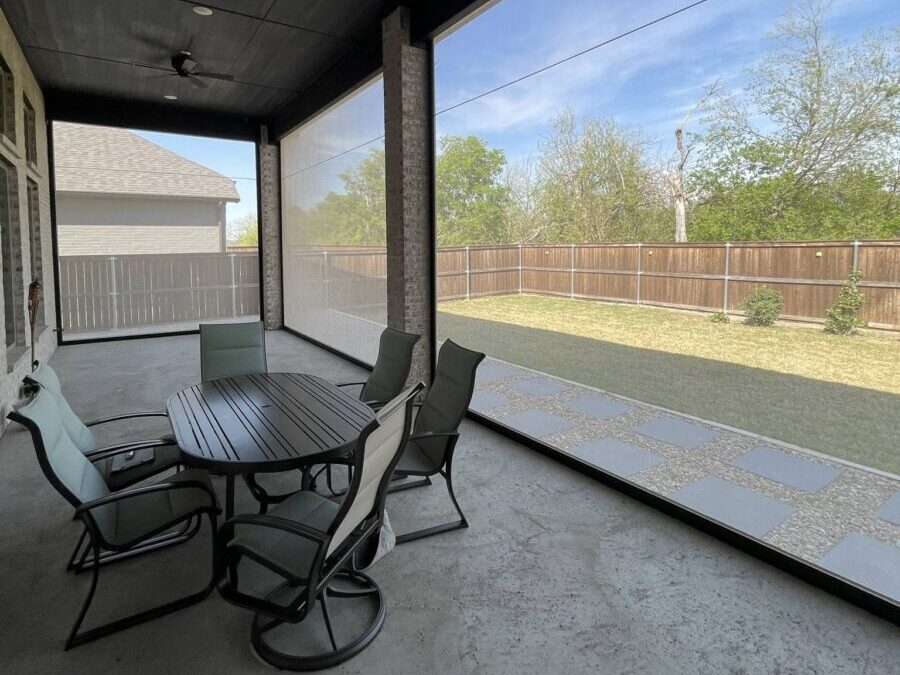
The Hidden Complexity Behind a “Simple” Patio Screen
From the outside, a screened-in patio looks like mesh stretched over a frame. Simple enough. But the structural reality is considerably more involved. A proper screen enclosure has to account for wind load, especially in a region like DFW where storms can arrive fast and hit hard. It needs to integrate cleanly with your existing roofline, foundation, or deck structure without creating water infiltration points. The framing has to be level, square, and anchored in a way that distributes tension evenly across every panel.
When any one of those variables is off, the problems compound. A frame that isn’t perfectly level creates uneven tension in the screen, which leads to visible sagging and eventual tearing. Anchor points that weren’t designed for the specific material of your home’s exterior can pull loose over time. Gaps left around the perimeter, even small ones, become entry points for insects, moisture, and debris, which defeats the primary purpose of the enclosure entirely.
Professional installers bring not just tools but pattern recognition. They’ve encountered the specific challenges that come with brick exteriors, older concrete slabs, second-story decks, and irregular rooflines. That experience means problems get solved before they’re installed into your home permanently.
Material Selection Is Only Half the Equation
Choosing the right screen material matters enormously. Solar screens block heat and UV radiation while maintaining visibility. Standard fiberglass screens are durable and affordable. Pet-resistant screens handle heavier wear. Each material has distinct installation requirements, different tension tolerances, and different hardware needs.
A professional installer doesn’t just know which material performs best for your exposure, your climate zone within DFW, and your usage patterns. They also know how to handle that material correctly during installation. Screens that are stretched too tight become brittle at the edges. Screens installed with insufficient tension pool and wave in the wind. The margin between those two outcomes is narrower than most people realize, and hitting it consistently requires both training and repetition.
Warranty Protection That Actually Holds
Most quality screen and framing products come with manufacturer warranties, but those warranties almost universally require professional installation to remain valid. A DIY installation or a job done by a general contractor without specific screen enclosure experience can void your coverage before you’ve spent a single afternoon on the patio.
Beyond product warranties, a reputable company like Longhorn Solar Screens stands behind the installation itself. That means if something isn’t right, there’s accountability and a straightforward path to getting it corrected. That kind of protection is simply not available when you’re working with an installer who doesn’t specialize in this work or who won’t put a guarantee in writing.
Energy Efficiency Starts at the Frame
One of the most compelling reasons DFW homeowners invest in screened patios is the opportunity to extend their usable outdoor season without dramatically increasing energy costs. A well-installed solar screen enclosure can reduce the radiant heat load on adjacent interior rooms by a meaningful amount, which translates to real savings on cooling bills during Texas summers.
But those efficiency gains depend entirely on correct installation. Gaps in the frame allow unfiltered sunlight and heat to enter. Poor placement of screen panels can actually create radiant hotspots rather than reducing them. The angle and orientation of screen sections relative to your home’s sun exposure should be part of the planning conversation, not an afterthought.
Professional installers approach each project with an eye toward both the immediate aesthetic outcome and the long-term performance profile. That’s a different mindset than simply getting panels up and moving on.
The Right Investment Deserves the Right Team
A screened-in patio is a meaningful investment in your home’s livability and value. The DFW outdoor living season is long, the weather is demanding, and the difference between a well-built enclosure and a poorly installed one shows up quickly. Longhorn Solar Screens brings the expertise, the materials knowledge, and the installation standards that protect that investment from day one.
When you’re ready to talk through your project, our team is here to answer questions, walk your space, and give you a clear picture of what a professionally installed screened patio looks like, and how long it lasts. Reach out today for your free consultation.